
A good restaurant is built on good cuisine, dedication and consistency. A great restaurant makes you remember the people behind it all. At Brewability, the pizza and brews are just the beginning; what brings it to life are the smiles you receive as you walk in, the conversations with those whose stories highlight an overlooked community and a glimpse into what the future of disability opportunities looks like when you stop limiting others who are different.
Dive had the pleasure of sitting down with its bar manager, Jerod Nieder, along with Brewability’s Director of Operations, Jess Runge, and its incredibly friendly staff and volunteers for an afternoon of what proved to be more than a conversation at your average pizza joint–it was a glimpse into a place that feels like family.
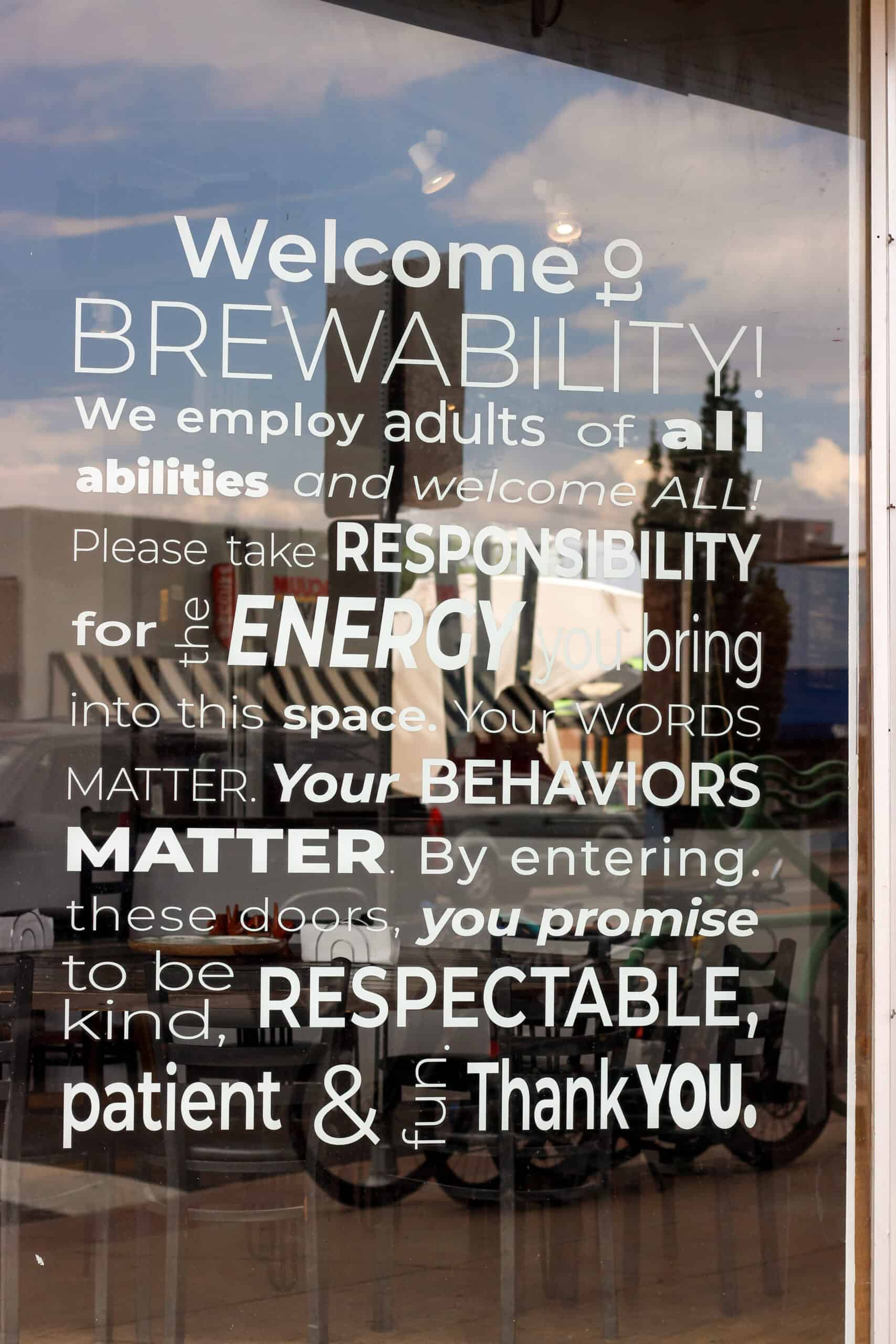
Brewability first opened its doors nearly a decade ago in the former Caution Brewing as Brewability Lab, near Denver International Airport, but in 2019 moved to its new home on South Broadway, where it now houses a brewery and pizzeria (Pizzability), which was originally home to Brews on Broadway. Its mission, created by its owner Tiffany Fixter, a former special education teacher, is simple: “Create a welcoming, inclusive environment where all abilities are celebrated by providing employment opportunities for adults with intellectual and developmental disabilities.”
READ: Splashes That Save – Dunk for a Cure Returns for Its Fourth Year
When most people think of work, they might dread the idea, but at Brewability, every single bartender, pizza maker and food runner had a smile on their face. Take Jorge Astacio, for example, who had a huge smile on his face the moment we walked in the door. He’s worked at Brewability for the past eight years, and his favorite part is, “The customers. I love the customers–everytime they see me when I work and they say, ‘Oh, you’re here!’ and I tell them, ‘Yep, I’m happy to see you.'”
Or Jose Josmodo, who, after seven years, says his favorite thing is “working at the bar,” where the brewery has 9 rotating taps, all color-coded and in Braille, plus slushies, wine and seltzers. Jorge recommends its Juicy Peach Cider (6.9%), colored under “Gold” on the menu, paired with the Supreme pizza (marinara, mozzarella, pepperoni, Italian sausage, fresh jalapeños, diced green peppers, black olives, red onion and locally grown Elevated Mushrooms).


While the warmth and joy of Brewability’s staff are immediately evident, their experiences reveal a deeper struggle for opportunity, dignity and the fundamental right to equal treatment. “She (Tiffany) really noticed that people who want to work can’t find employment. That was the case for me, you know. I want to work. When I run the register, I have somebody with an intellectual disability usually helping pour beers, and she pays us all a fair wage, so she has to pay twice the amount for one person,” explained Nieder, who has been with Brewability for almost 2 years working as its bar manager and doing it all as a C5 quadriplegic.
While it’s not our place to share his accident story, Nieder gave some good advice: “Approach us and be kind. Treat us like a regular person. What I hate is when someone comes up to me and says, ‘I’m so sorry you got injured; how did that happen?’ It’s like I didn’t want to talk about that right now. That wasn’t a fun day. I’m not just this injury in this chair.” Seems simple enough to just be a good person, but Nieder shared some uncomfortable moments that no one should have to go through.
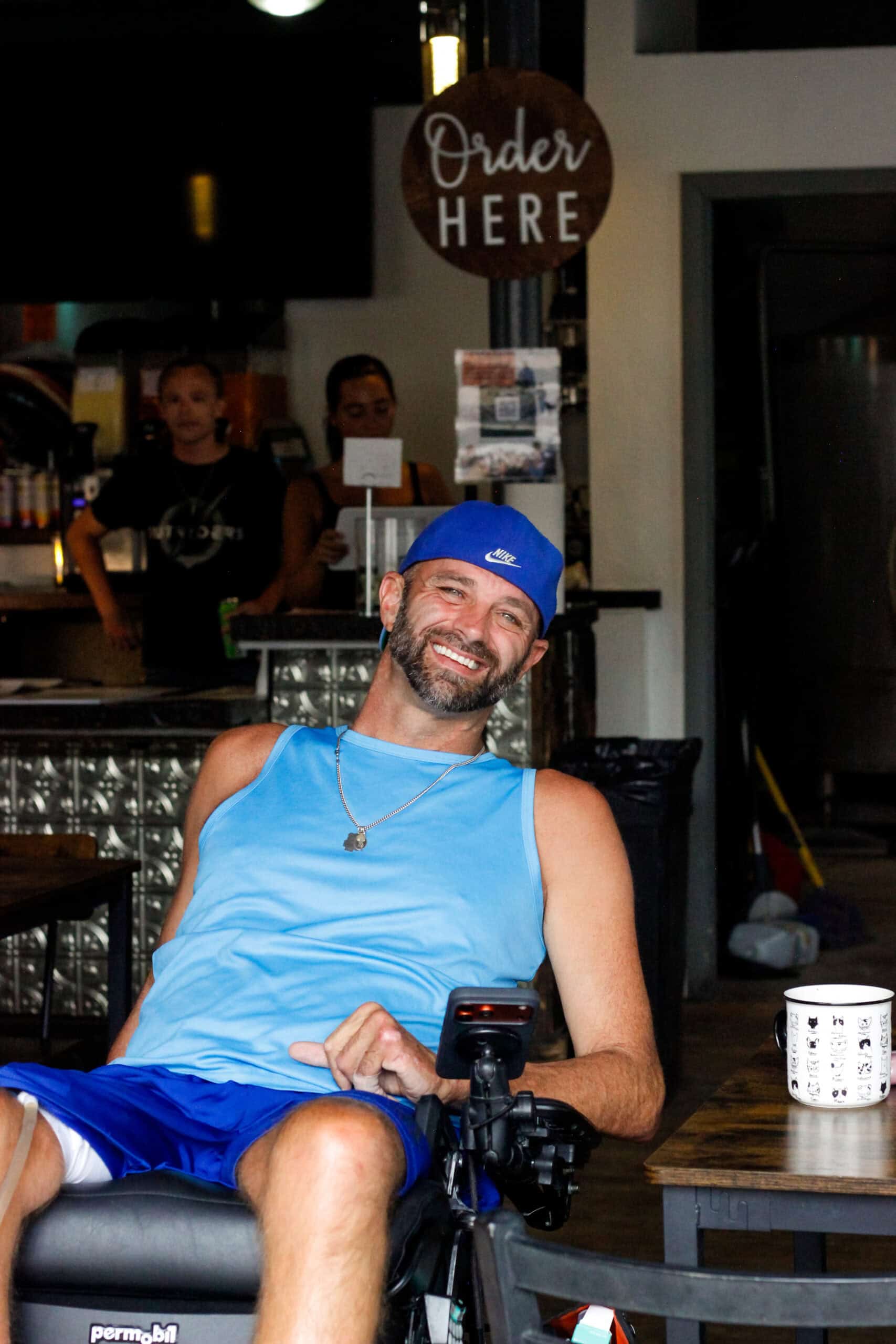
Though he admits he was aware (because of his uncle with a disability) but a bit “ignorant” of the disability community before his accident, Nieder’s perspective on disability and inclusion has evolved through his own experiences.
“Breaking down my own preconceived notions, you know, I’ve learned a lot from my coworkers, and that’s what’s cool about this place. You get to be friends with different people, and when you let different kinds of people into your life, you’re bound to learn. For instance: Jorge. The way he greets everybody with a smile changes the whole attitude here. And Jose: he pours a perfect beer, and he takes so much pride in his beer, and Miranda takes so much pride in working hard and making sure she does a good job. You’ve got a lot of passionate people that are really valuable employees. And I just encourage people to come down to Brewability, like, see people with disabilities, interact with us, see how we do things.”
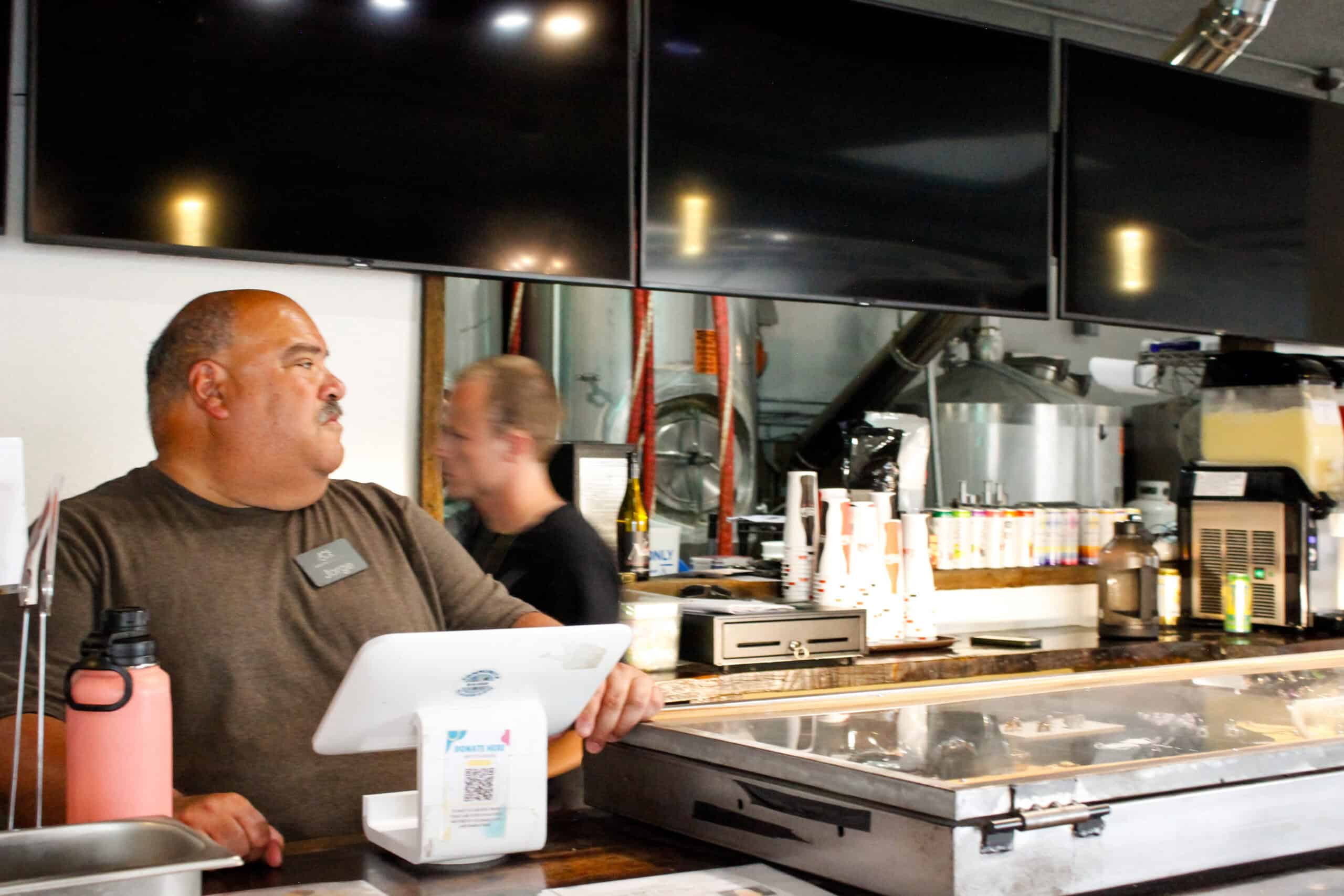
The value Nieder sees in his coworkers is reflected in Brewability’s growing workforce, where opportunity and inclusion have become central to the restaurant’s success. Plus, a fair wage and inclusive design are among the few reasons Brewability boasts over 20 employees and nearly 1,000 people on its waitlist. Unfortunately, the high number of employable people on the list also highlights another very real issue: lower hiring rates for people who disclose a disability and stigma surrounding the community. An unwillingness to invest in adaptive changes is often the biggest obstacle, but one look around Brewability turns those preconceived notions to shame.
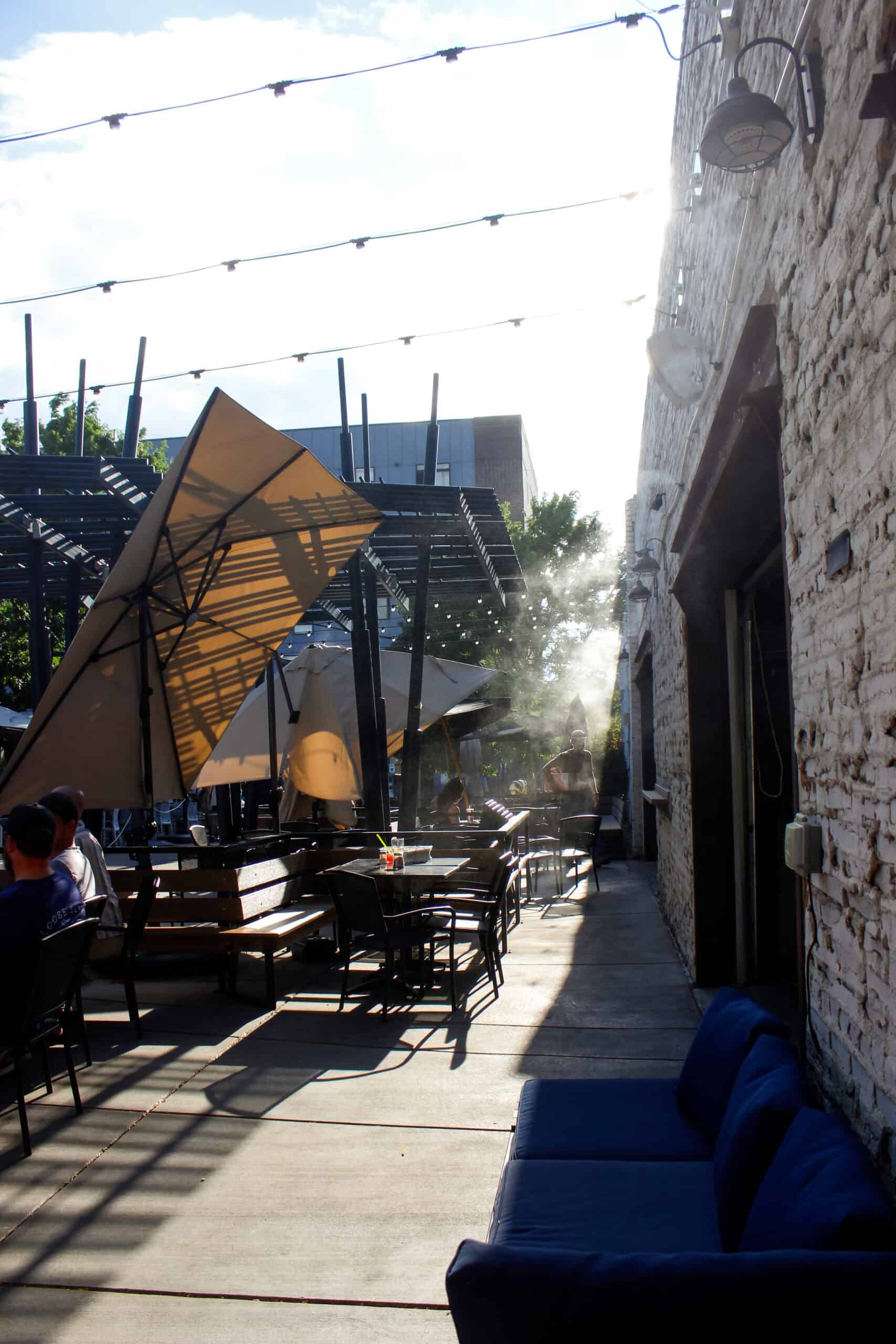
Everything about the space, from the front entrance to the toilet paper in the bathroom to the live ASL interpreter tool, offers a glimpse into the humanity and lengths it goes to in order to avoid dehumanizing those who might need a little extra assistance. Other examples include a bone-conducting vibrating dance floor so everyone can feel the music, Braille menus created by Alex, the brewery’s blind bartender, a circular table that divides in half to allow for ASL interpreters to sit in the center, sensory and kinetic toys for tactile learners, adaptive silverware and lowered bar counters for wheelchair users, to name a few.


Plans to make the space even more inclusive include: “An adaptive food handler license, so we want it to be universal but inclusive to everybody, so not just if you have IED or a learning disability. That’s what we’re working on right now that will open up so many jobs for a lot of people, given what places give them the opportunities. We are also working with a consulting firm to take our business model and use it in other restaurants,” shared Director of Operations, Jess Runge, whose past experiences also include special education and hospitality.
She sees that work as part of a larger vision for accessibility, one that benefits everyone: “I wish there were more places like this. I wish we could do more. When you make something accessible for someone with a disability, it actually makes the space more accessible for someone who doesn’t, and I don’t know why it has to be two separate things. Why can’t we make things better for everyone? Why does it have to be like this?” Uncomplicated questions that, at Brewability, have an answer already on display.
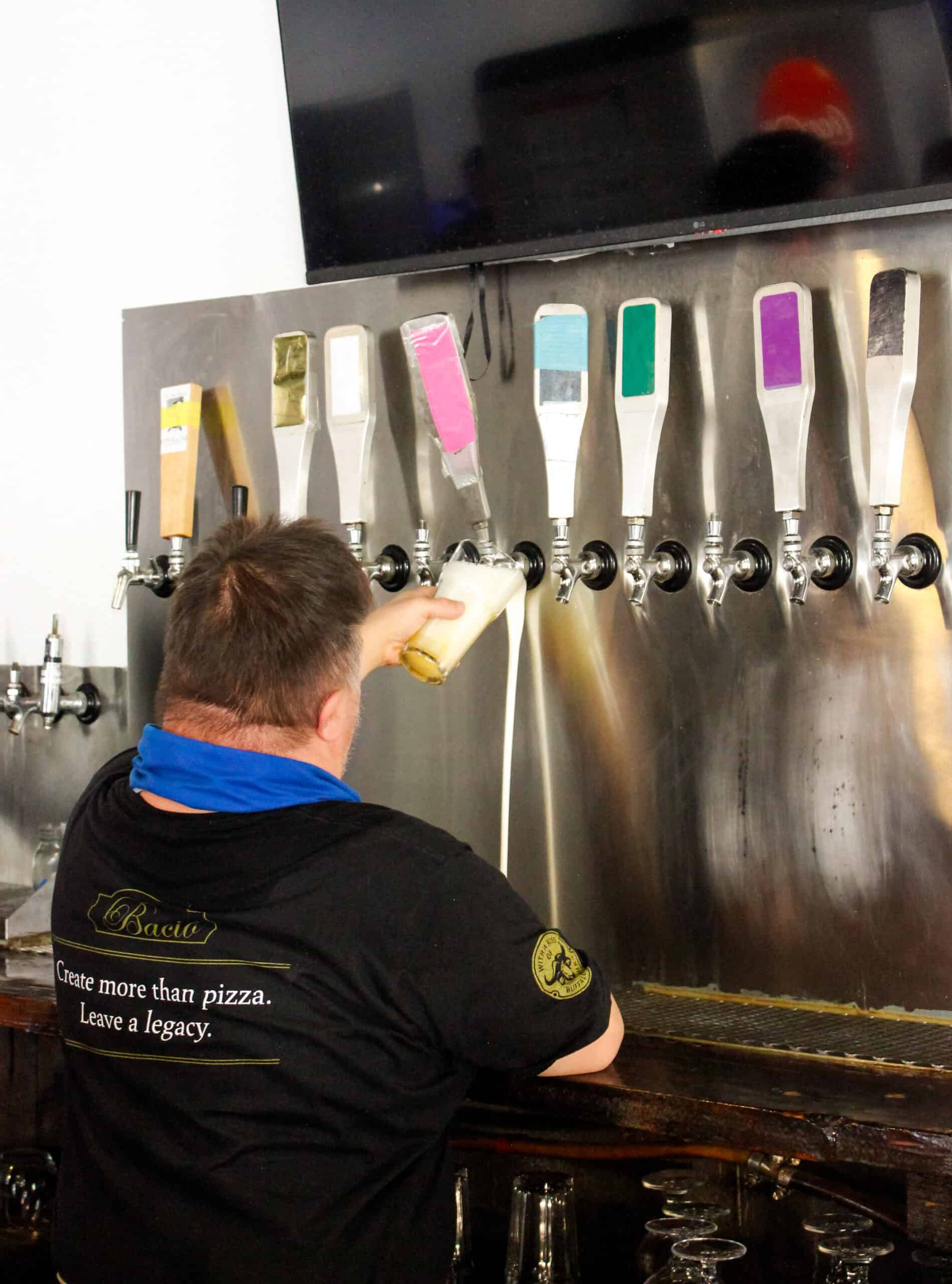

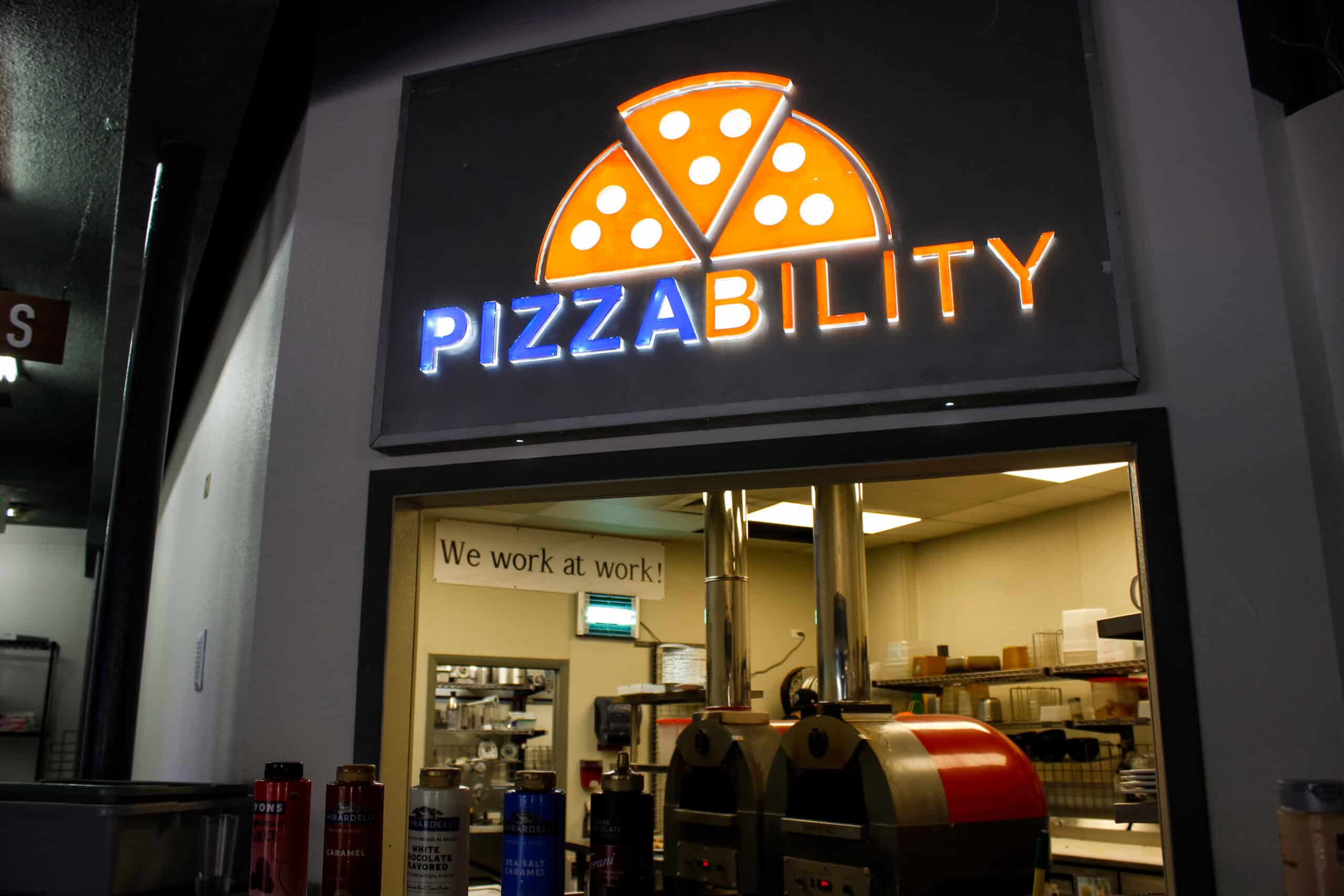

However, creating a place like this comes with its own challenges. Aside from your mishaps, what Nieder mentioned about paying more for one person reflects that reality. Because it relies on its dedicated employees to make the restaurant work, it also faces rising costs of living and a space that seemingly always needs repairs and patches (after all, it is a restaurant). A high cost that puts Brewability at risk of closing its doors, an unfortunate possibility for a place that has become a hub for those looking for a good bite, brew and even bigger: community. So much so that while we were visiting, regulars like Chris Layne (Ms. Colorado Wheelchair) spoke to the testament and impact of Brewability on her personal life. Layne explains, “It’s the best place to hang out. I live 25 minutes southeast of here, and I always come here. It’s really an amazing place.”
Brewability’s mission reaches so far that it even has two volunteers, Paul Saenger and Barbara Cecil, who saw that the space could use an extra hand and, without question, began helping. “The place was slammed, so we started pitching in, bussing tables, helping to direct where pizzas go and stuff, and now it’s more of an open invite: tell us if you need us; otherwise, we’ll come as friends and customers anyway. We love this place,” beamed Saengar.
Jerod echoed their efforts: “Paul and Barb here, they’re volunteers. They’re here on their own time. Just doing this because they want to support Tiffany. We have a few people like this, and that really helps this place run. Not only do they volunteer, but they also leave huge tips when they leave.”


A place that transcends its mission beyond its walls to inspire others is one worth remembering. Brewabilty gives those with rare opportunities for work a space to grow and learn, to be seen and to have a sense of belonging. More importantly, it defies harmful stereotypes that further marginalize at-risk communities and proves that investing in people is always a recipe for success.
As Nieder puts it: “Everything is scary from afar, but when you get up close and realize we’re all just people you know with our own stories, just like everyone else, I think it breaks down a lot of barriers, and what Tiffany has given us here—it gives us a community. You know, it gives us a place to call home, and this is a place where we feel like we belong, and we want everyone to come in here and see how we live.” Maybe belonging shouldn’t be remarkable, but until it isn’t, places like Brewability matter.
Brewability is located at 3445 S Broadway, Denver. Its hours are Sunday 11 a.m. – 8 p.m., Monday – Wednesday closed, Thursday 12 p.m. – 9 p.m., Friday 12 p.m. – 10 p.m., Saturday 11 a.m. – 10 p.m. See its events page for live music on Fridays and Saturdays, open mics on Thursdays and more.
All photos by Emily Rodz