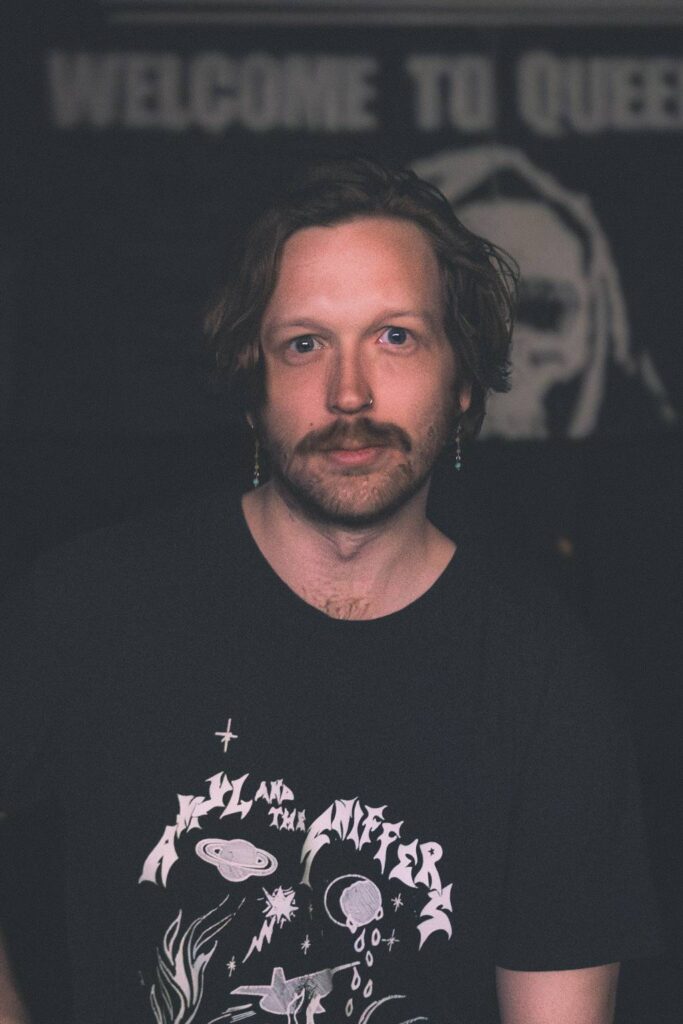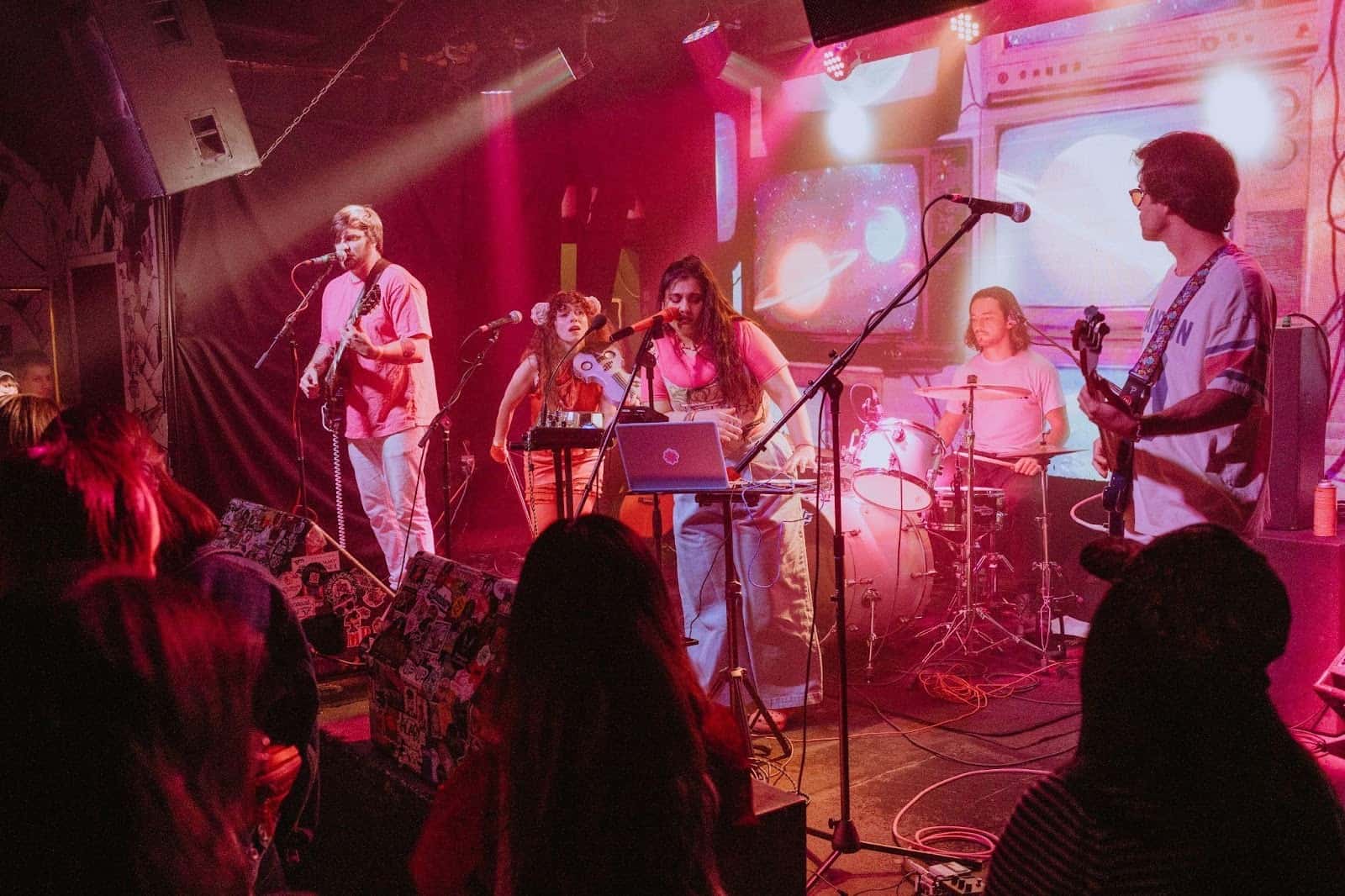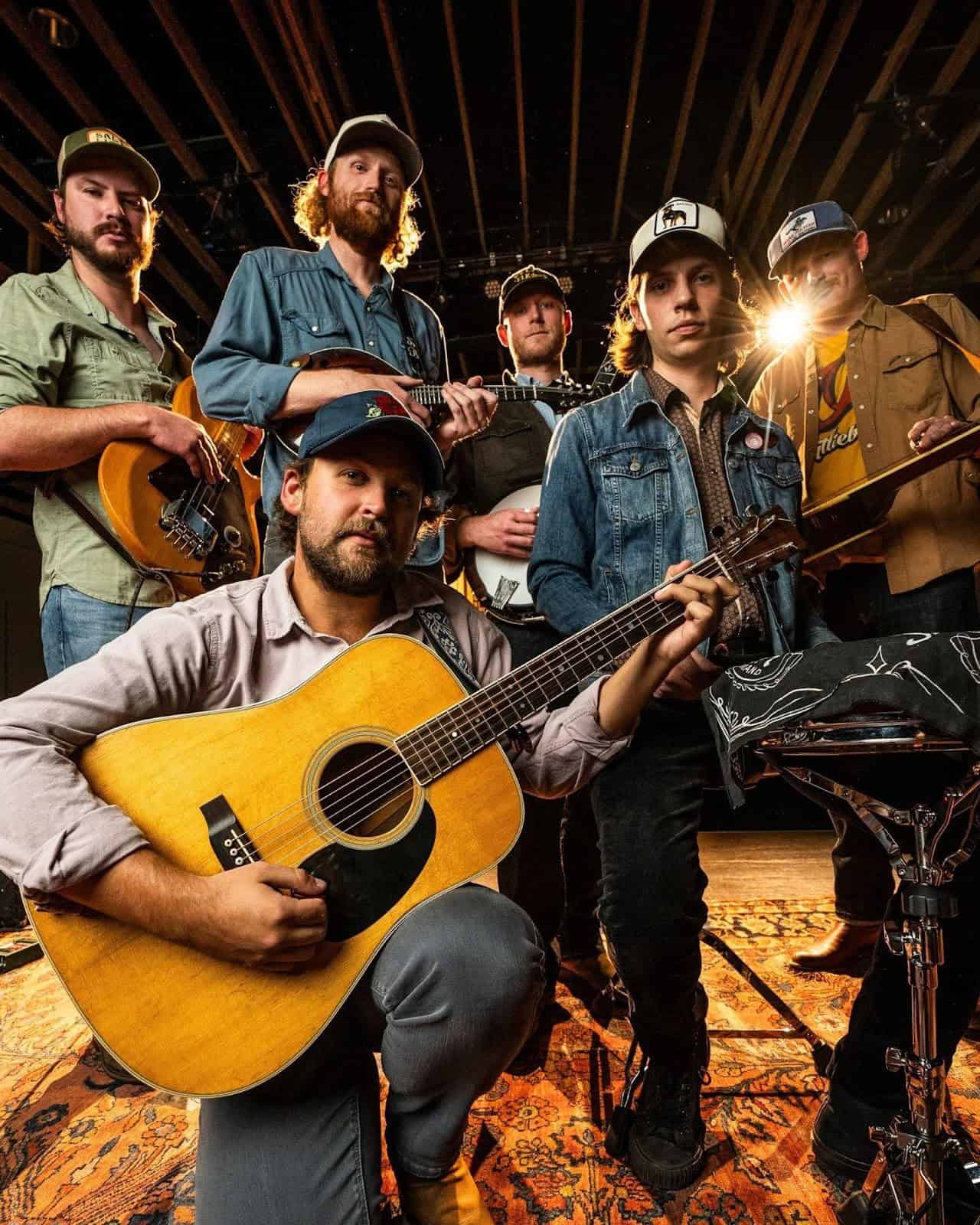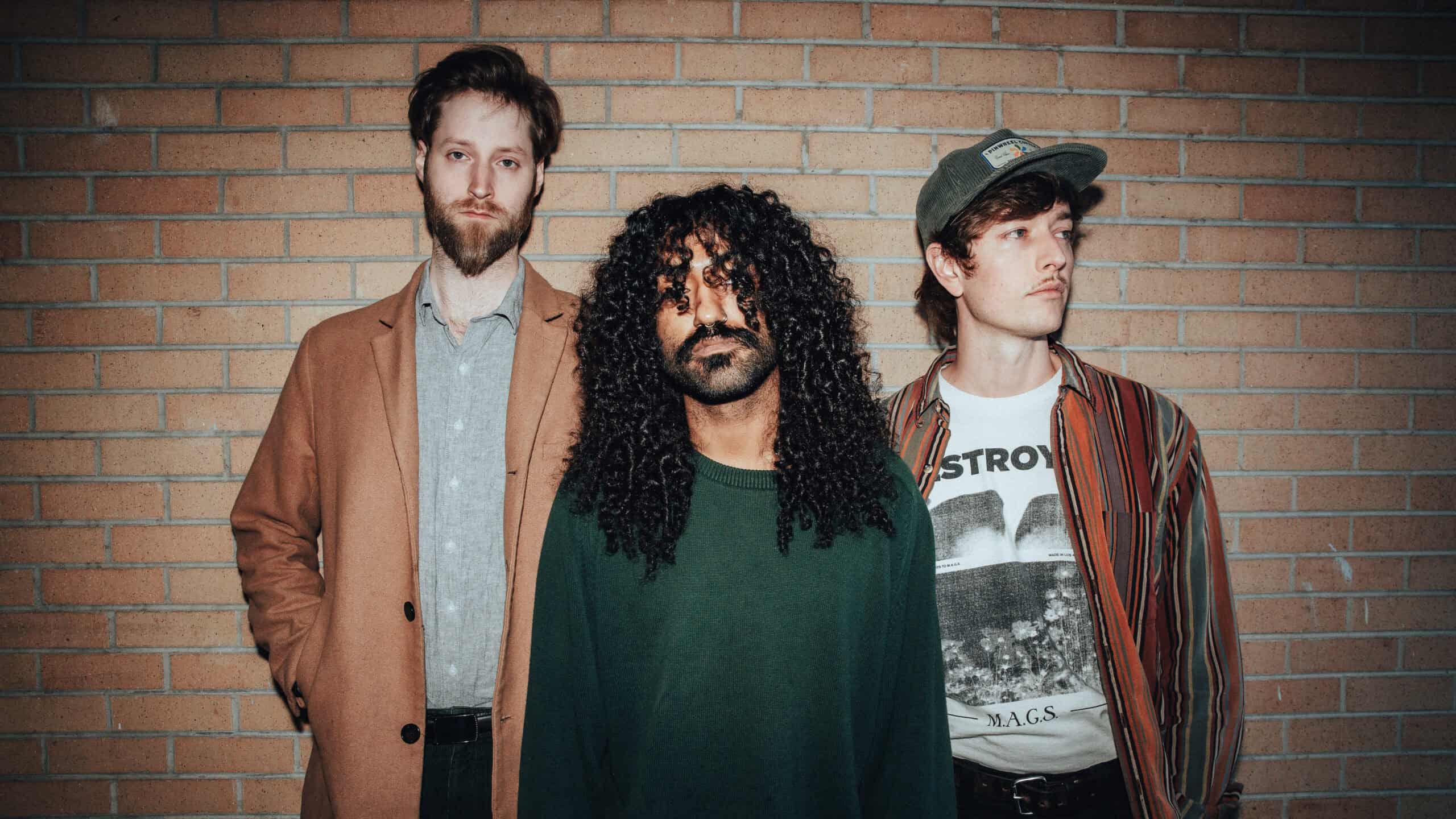
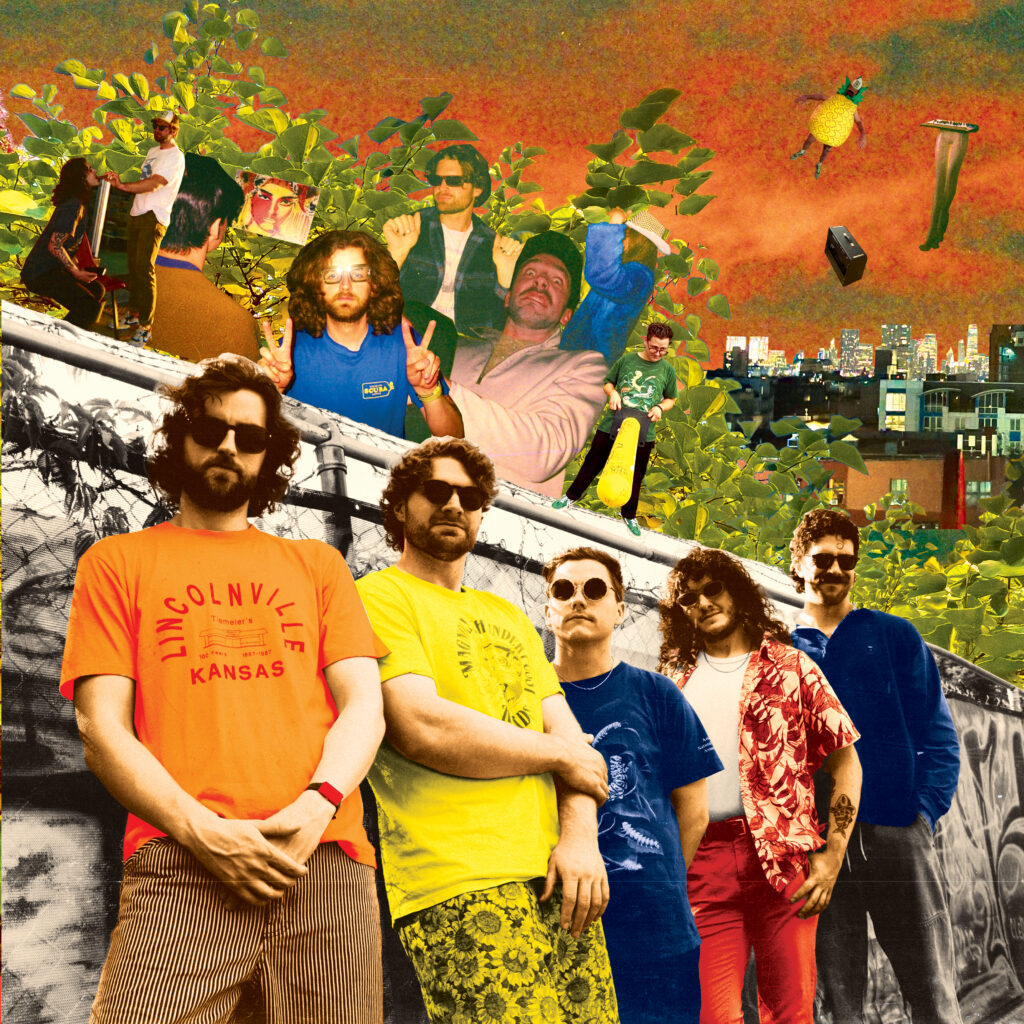
Local psych-rock project Tarantula Bill absolutely rips. With their new album Norm — releasing on June 12th — the band tears a hole in spacetime, ripping reality to shreds with each heart-pounding riff. The album represents the band at their best, a confident powerhouse of a record that sees a young group coming into their own. It’s raw yet technically refined, narratively compelling, melds mind-bending psychedelia with intense rock and roll. Members of the beloved Denver music collective/record label Mean World Records, Tarantula Bill represents the DIY sensibilities that make the Denver scene so exciting, embodying the idea that if you want to make something, all you have to do is sit down and do it. The Denver psych scene is vast and alive and with the imminent release of Norm, Tarantula Bill are poised to set themselves up as one of the city’s best.
Denver Dive recently spoke with Kendon McGehee — the mastermind behind Tarantula Bill — about the new album, making music as an excuse to bring friends together, McGehee’s musical roots and more.
Denver Dive: Hello! I usually like to start these off by giving you a chance to introduce yourself in your own words and tell me a little about what you do.
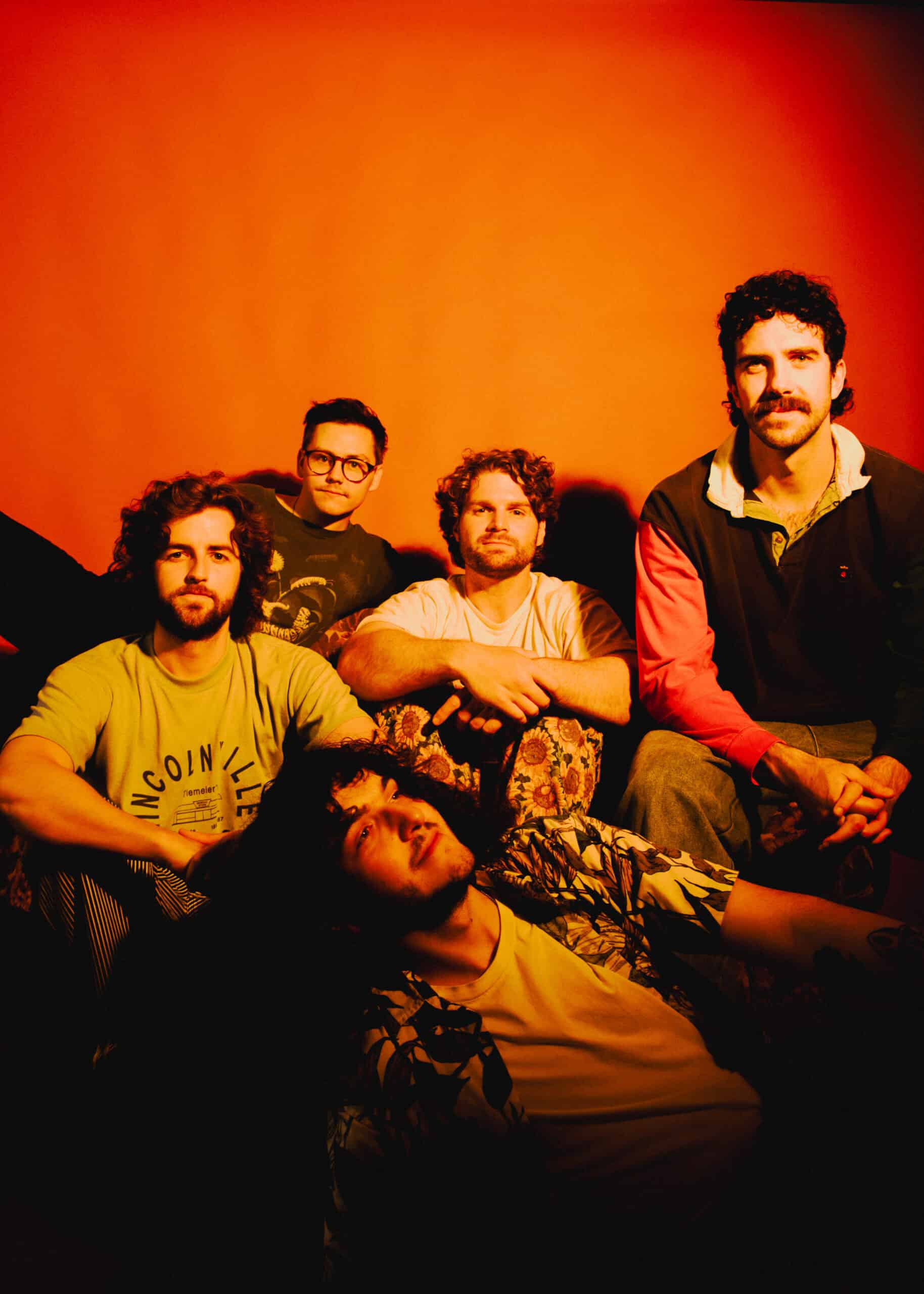
Kendon McGehee: Hello! I’m Kendon McGehee and I write and record all the tunes for Tarantula Bill. I’m very much an average dude — I love going to shows, hanging out with friends and I bore most people when I talk about what I do for my 9 to 5, so I’ll spare you the details there.
DD: I’d like to take things all the way back in the day. When did you first become interested in music? Did you grow up with it in the house? Did you drive around with your parents to it? Was there a show or a band or an album that really grabbed your attention when you were young?
KM: Music was everywhere when I was a kid, and I soaked it in like a sponge. I can’t think of a drive with either of my parents or sisters where we didn’t have music playing. My mom predominantly played FM radio, and we listened to a wide range of rock (classic and alt), rap, and pop. I’d try my best to remember lyrics from any song on the radio when I was in elementary school, asking friends to twist my ears like a radio tuner before I’d recite them. My dad was more engaged with the CD player and I distinctly remember Lenny Kravitz’s 5, The Beatles’ 1, and Chicago playing a ton. I also liked gaming, and games back in the day (1999–2003) had such great soundtracks that they would hook you without you even realizing it (e.g., Tony Hawk’s Pro Skater 2–4, NBA Street Vol. 2, etc.). I was born in 1994, so I was between 5 and 9 years old when receiving all of this musical stimuli, and I loved it. My parents may have picked up on that (while also requiring that I learn an instrument and play a sport), so by fourth grade, I was taking drum lessons. That was really the beginning of it all.
DD: When did you start actively pursuing it professionally?
KM: I’d played in bands from middle school through college and into my professional career outside of music. Songwriting had always been in the back of my mind as something I wanted to pursue. I also knew the odds of being a professional musician were (and are) tough. I’m from Oklahoma and there weren’t many examples of people doing this as a career. That said, once I started writing my own stuff, I fully caught the bug. I knew this would be a lifelong pursuit, come hell or high water, and that quitting would just be temporary and a waste of time.
DD: Tell me about Tarantula Bill. When did the band come together?
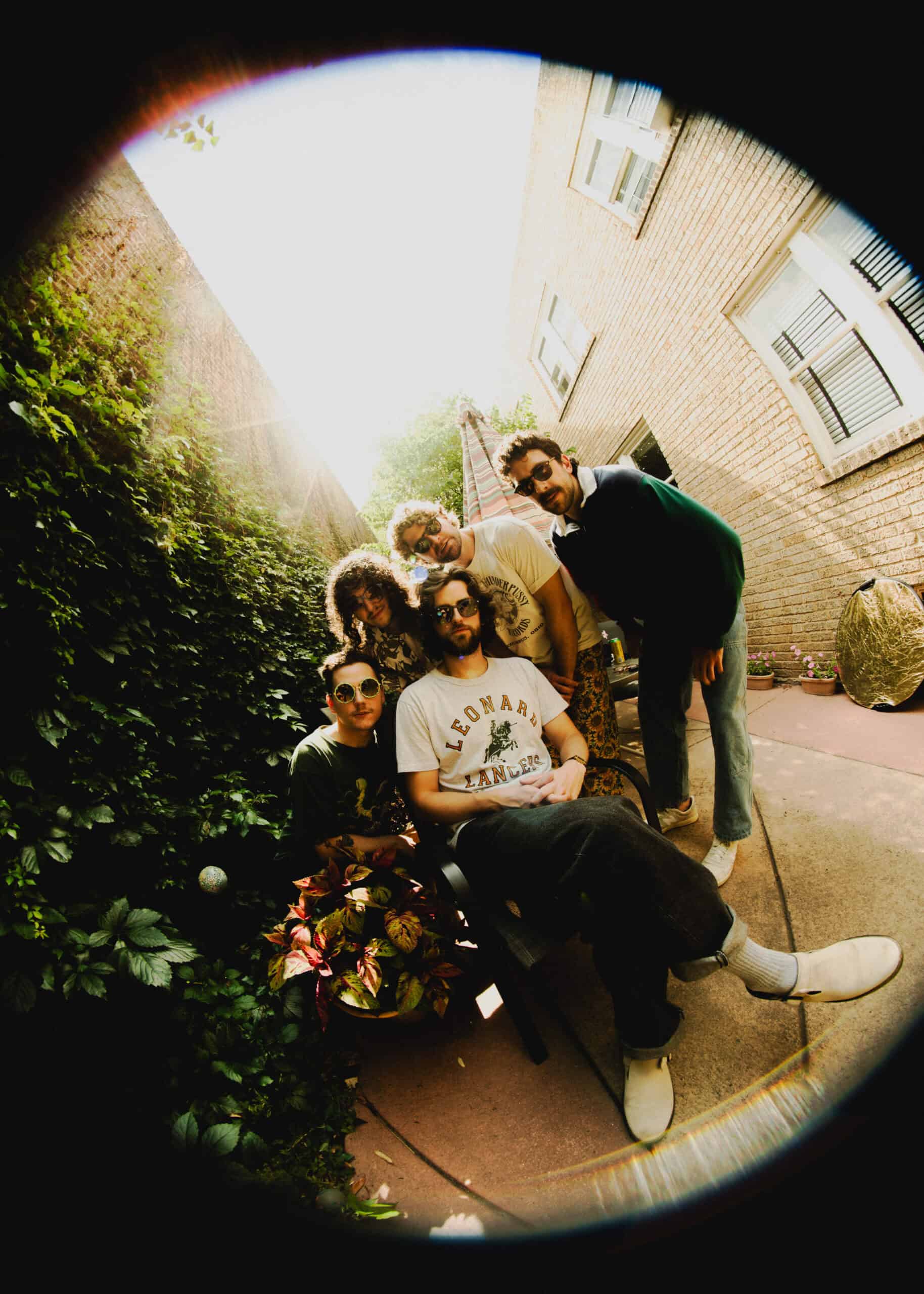
KM: In Denver, while testing my chops as a guitarist for a few bands, COVID struck. Being locked in took away all my excuses and distractions and finally got me to write my own music. I’d been trying to do acoustic solo stuff and I hated it. I desperately missed playing with a band and playing music with a bit more edge to it. I recorded (Tarantula Bill’s first album released in 2020) Toola as my first real effort in making a body of music, and once COVID calmed down enough, it was time to get a band together. Though we’ve had a few iterations of the band thus far, Joe Lovoi, one of my best friends from college, was the first to join as the bassist. He had just moved from Houston to Denver, and upon his arrival, I was forcing him to listen to the unreleased album while simultaneously asking if it was good enough for him to join (he did). Not too long after Joe, another good friend of ours, Daniel O’Connell, also moved to Denver and went through the same song and dance Joe had. We’d all played in adjacent bands at the University of Oklahoma, so I knew they could play. We then auditioned a few drummers from Craigslist. We hired one, then he quit, so we hired another, and that happened to be Jason Kaplan, who is still in the band today. As I’ve expanded our sound with more synths and percussion, we’ve also picked up Hunter Bates as our synth player. He and Jason founded Mean World Records together, so it felt very natural adding him into the fold.
DD: Norm absolutely rips. It feels like quite the evolution from your first album Toola which dropped in 2020. What would you say you’ve learned in those six years? How has the project changed or grown or evolved since then?
KM: Well first off, thank you. I’m glad you like it! I’d say the two biggest differences were having a designated space for music and getting help with the production, mix and master. I learned that it’s important to have a space where I’m not scared of being heard. It gives me the freedom to get out of my comfort zone and try a million different takes. I can then pick and choose the elements I like most to piece together a song. I found that space at a church that had been converted into business units in Cap Hill, which was cheaper than any recording studio. By the time I’d get there at night, almost everyone would be out of the building, and I’d have the freedom to tinker away for hours. Though I wrote and recorded all of Norm, it was important to put my ego aside and reach out for help with the production, mixing, and mastering process. Toola had a lot of heart, but it sounded like it was recorded in a soup can, and I didn’t want to waste Norm‘s potential over pride. I submitted the mostly finished demos to Jon Fridmann from Tarbox Road Studios, and to my surprise, he got back to me. After a few conversations, he was on board to help.
DD: Tell me more about the album. How long have you been working on it? How did it all come together?
KM: I’d been toying with some riffs and ideas for three or four years, but really got locked in early 2025 to finish what ended up being the demos. I got them to as good of a place as I could and started soliciting feedback. Once Jon was on board, I thought his feedback would consist of moving mics, updating the sound treatment in the room, or being more nitpicky about recording best practices. I was very surprised to learn that the recordings were passable, and that I needed to focus more on the elements in the song and how they were structured. He consistently said, “Go too far and then we can dial it back if we need to.” Hearing that was awesome because it’s like your parents giving you permission to swear. Of course you’re going to. His feedback also highlighted things I was insecure about within these songs, so when he called them out, it was a relief. I could no longer be lazy and let those things pass; I had to address them if we were to move forward. I spent about two months applying his feedback to every song, and they all passed the second time around.
DD: Did the recording process change or differ from your previous studio experiences?
KM: Though I’d use the word “studio” loosely here, as I’ve never really been to an actual recording studio, the key difference was receiving that feedback and implementing it. This is the first time I’d let anyone in on the song-creation part of the process, and it made all the difference in the world.
DD: Tell me about how the band writes the songs. I found a lot of narrative and thematic through lines, these ideas of the other and searching for meaning in a world that doesn’t make a lot of sense. What informs your writing?
KM: Songwriting for me is really boundless. It ranges from pulling from lived experiences and baking them into metaphors, to recreating a fever dream, to seeking out these intense emotions we are programmed with and drenching them in hyperbole and then out of nowhere, going back to reality again. Most people aren’t listening to Tarantula Bill for the lyrics, but the lyrics are a component I take great pleasure in writing. I’m really putting as much of myself as I can into these songs and trying to tell a story.
DD: Does one person typically take the lead when writing or is it more collaborative?
KM: It’s all me. It’s really just how this project came about. I’ve always been open to collaborating on other projects, but I like that this one is my singular view.
DD: The album is so sick musically as well. You guys fuckin’ shred. Do lyrics or music come first?
KM: It’s about half and half. I’ve learned that the trick is to just do both as much as possible. If something spurs a lyrical thought, I jot it down. If something spurs a musical thought, I voice-memo the melody or grab the nearest guitar and film myself picking out the idea. In my luckiest moments, they’ve come at the same time.
DD: You all meld together so well, each instrument gets a chance to shine. Tell me about just playing together. Has the way you sort of feed off each other changed since the early days or is it only getting stronger?
KM: The music I’ve written is really just an excuse to get my friends together and play live. As we get more comfortable playing the new songs together, we branch out on them, change things up, and jam a little. I think our best moments are when Joe and Jason go off on some tangent and everyone else is figuring out how to get back in without breaking it. It’s a fun bit of chaos we’ve gotten into when we didn’t have as much material and our time slots were admittedly a little too long.
DD: Let’s talk about the album release on June 12th. What can fans new and old expect?
KM: They can expect some serious range! If you don’t like one song, skip to the next, because it’s likely entirely different. They can also expect the best audio quality they’ve heard from this band, so toss on some headphones, or play it in your car or on the home stereo system. Maybe even play it just a bit too loud, it’ll help you feel like you’re right in it.
DD: This last one I like to ask. It’s broad so feel free to answer however you want. Do you have a philosophy when it comes to creation?
KM: Make what you want to listen to, not something you think people will listen to. It’s your opportunity to peel back the layers on what you believe and how you see the world. Give the listeners that insight by being honest and vulnerable, and people will connect with it in a very real way. Keep music human.
DD: Finally, anything else on the horizon you’d like to mention? Anyone you’d like to shout out?
KM: We’ve got our biggest show yet at Levitt Pavilion on Friday, June 26th. It’s free, so come through! I’d also like to shout out Joe, Dan, Jason, and Hunter for being in the band and bringing these songs to life live. There’s no better feeling than doing this with your best friends. Thank you to my girlfriend, Stephie, for supporting me during the creation process and listening to all the demos (good and bad). Jon Fridmann at Tarbox Road Studios for collaborating and making these songs the best they could possibly be. Carleigh Hyser for the incredible album art. And Mean World Records for all their help with booking, promotion, and distribution.
Norm releases June 12th! Check it out wherever you stream music.