Characteristically, Denver’s fashion scene is very function-forward.
In our city, you’ll see Hokas at the symphony, hear bike shoes clacking on restaurant floors and, every time you leave the house, you’ll spot someone hiding post-climbing gym hair behind one of those buff-bandana-headband things.
Foundationally, there’s nothing wrong with that. Living in a topographical playground, it makes sense that a lot of us want to be ready at a moment’s notice to drop everything and run for the mountains.
Within this lived-in aesthetic lies a secret message: Denver is too cool to care. Denver isn’t trying too hard. Denver doesn’t know how you can wear all that makeup because Denver doesn’t even know what concealer is.
But that’s not who Denver really is. Where does that leave the fashion freaks? Or the art goblins? The emo kids and the streetwear baddies and the people who just don’t want to wear athleisure?
As much as Denver is a city of athletes, it’s a city of artists, too. And just like this year’s Met Gala confirms: fashion is art. It’s personal expression in its most in-your-face form: before anyone hears your voice or listens to your thoughts, they see what you’re wearing. The message you’re sending with the clothes you put on matters.
It’s time Denver leans into louder style. In a city that prides itself on being ready for the trail at any moment, dressing for anything else sometimes feels embarrassing. In other words, personal expression feels embarrassing.
In a world that seems determined to stamp out our differences, embarrassment is something we simply can’t afford.
Wait, Why Does Everyone Look The Same?
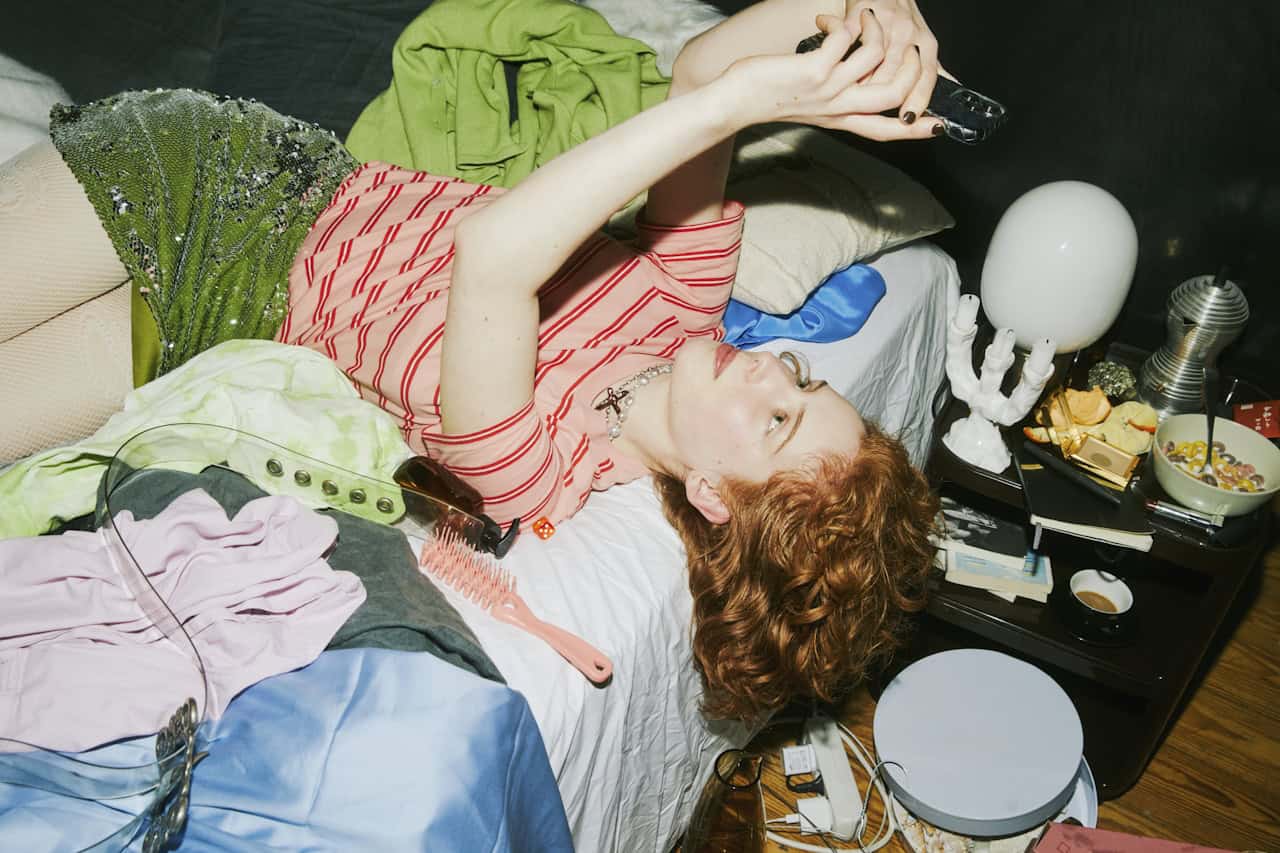
Rest assured, Denver is not alone in needing to be a bit braver with our appearances. The internet is a scary place for trends and consumerism right now, full of thinkpieces about why every celebrity’s face looks the same, comments that beg for the details behind every outfit and an endless stream of ads about what products the “It Girls” are using this month.
Mix in a new “theory” every month calling out “legging legs,” or “low-income white girl eyes,” and the modern social landscape constantly forces us to not only look critically at our bodies through our own eyes but think about them through others’ judgmental eyes, too. We compare ourselves to everyone else and wonder how we can hide or change ourselves to fit in, lest our real or imagined audience see poverty in the eyes we were born with.
We dress ourselves in quiet luxury neutrals to look richer and smaller. We change our face shapes with cool-toned war paint because we opened the comment section of a creator with a soft chin like ours, and we can only imagine what those people would say if we were brave enough to show ourselves without contouring a jawline that’s sharper, hotter, better.
On global platforms, this public jeering is inescapable. And for many Americans, the risk of standing out goes deeper than insecurity. The current United States’ political climate is one where the color of one’s skin or the slightest clue that someone identifies as anything other than the gender they were assigned at birth is a dangerous spotlight with serious (and sometimes deadly) consequences.
We have to push the pendulum the other way — especially those of us who have the privilege to live our lives largely without the fear of that spotlight landing on us.
One small act of resistance can be daring to stand out in a world that demands that we do the opposite.
Maximalism As Refusal To Conform
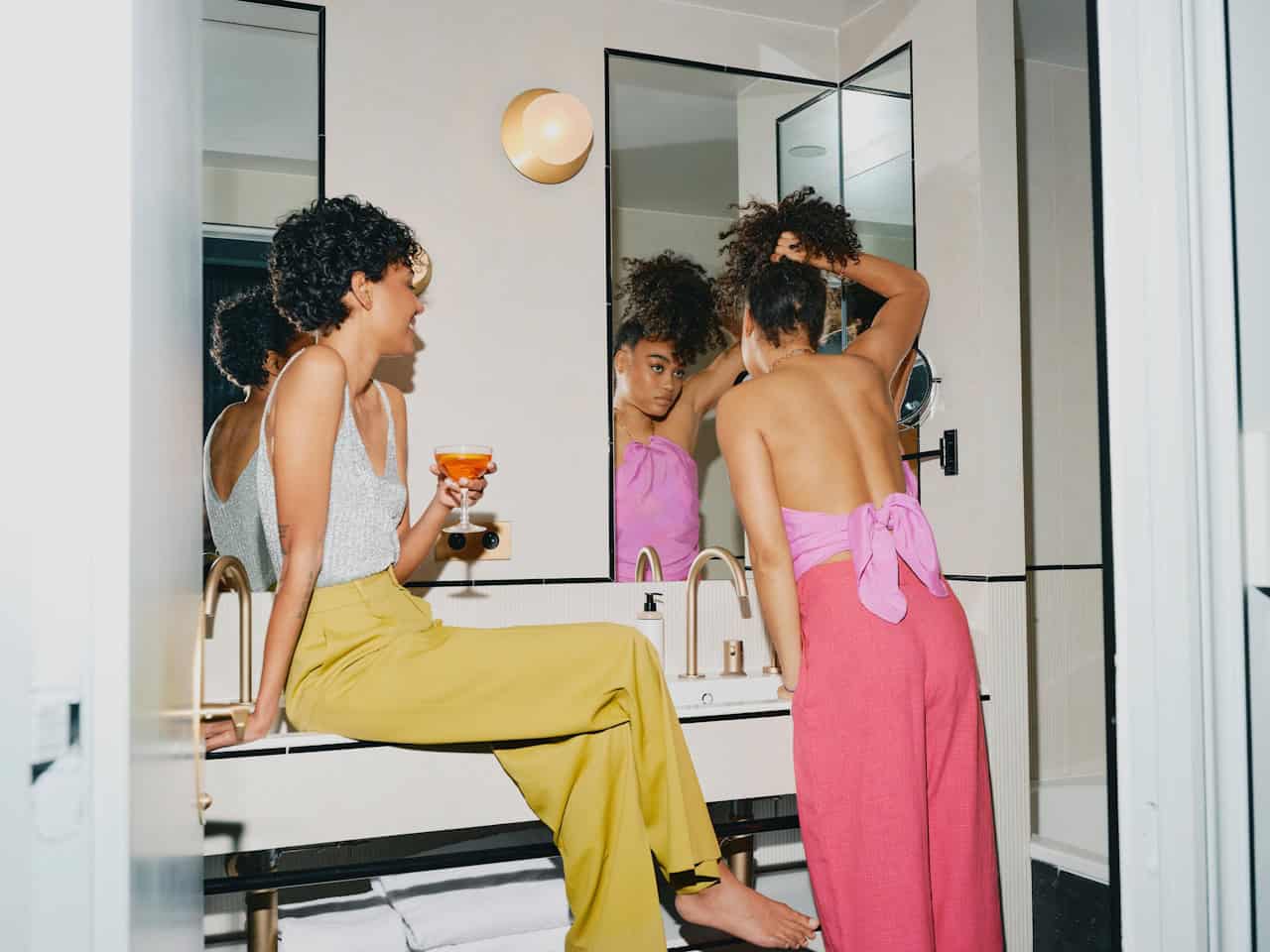
On these same global platforms, Denver’s fashion baddie creators testify that they’re side-eyed every time they leave the house in a capital-O Outfit. The mere existence of this type of content proves that Denver’s casual vibe runs deep: so deep, in fact, that the crowd that cares about style and fashion have to work harder to find each other.
But just the fact that there are so many with this same experience implies something contradictory: isn’t it ironic that so many expressive individuals feel so alone in Denver? Clearly, we exist. Clearly, the experience of feeling out of place is somewhat common.
And because the homogenizing force of the internet is widespread and impactful, maybe Denver’s “too cool to care” energy is just a performance. There are bold, creative hearts within more of us than meets the eye, and it’s time to shed the persona that pretends those hearts don’t ache for a little more individuality.
When the world asks us to neutralize, we must be provocative. When we are compelled to minimize, we must expand. Neutrality can look a lot like complicity. And maximalism can feel a lot like breaking free.
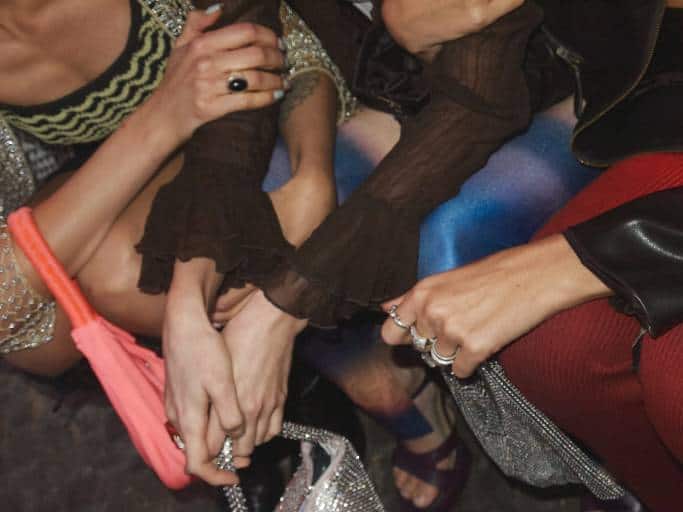
In this case, maximalism means more than piling on accessories before leaving the house while Coco Chanel spins in her grave. It means breaking the norm where the default uniform suggests that trying too hard is embarrassing.
Choosing to try, whether that’s full-out dopamine dressing or just pairing your Hokas with that blue eyeliner you’re never brave enough to reach for, can feel quietly subversive.
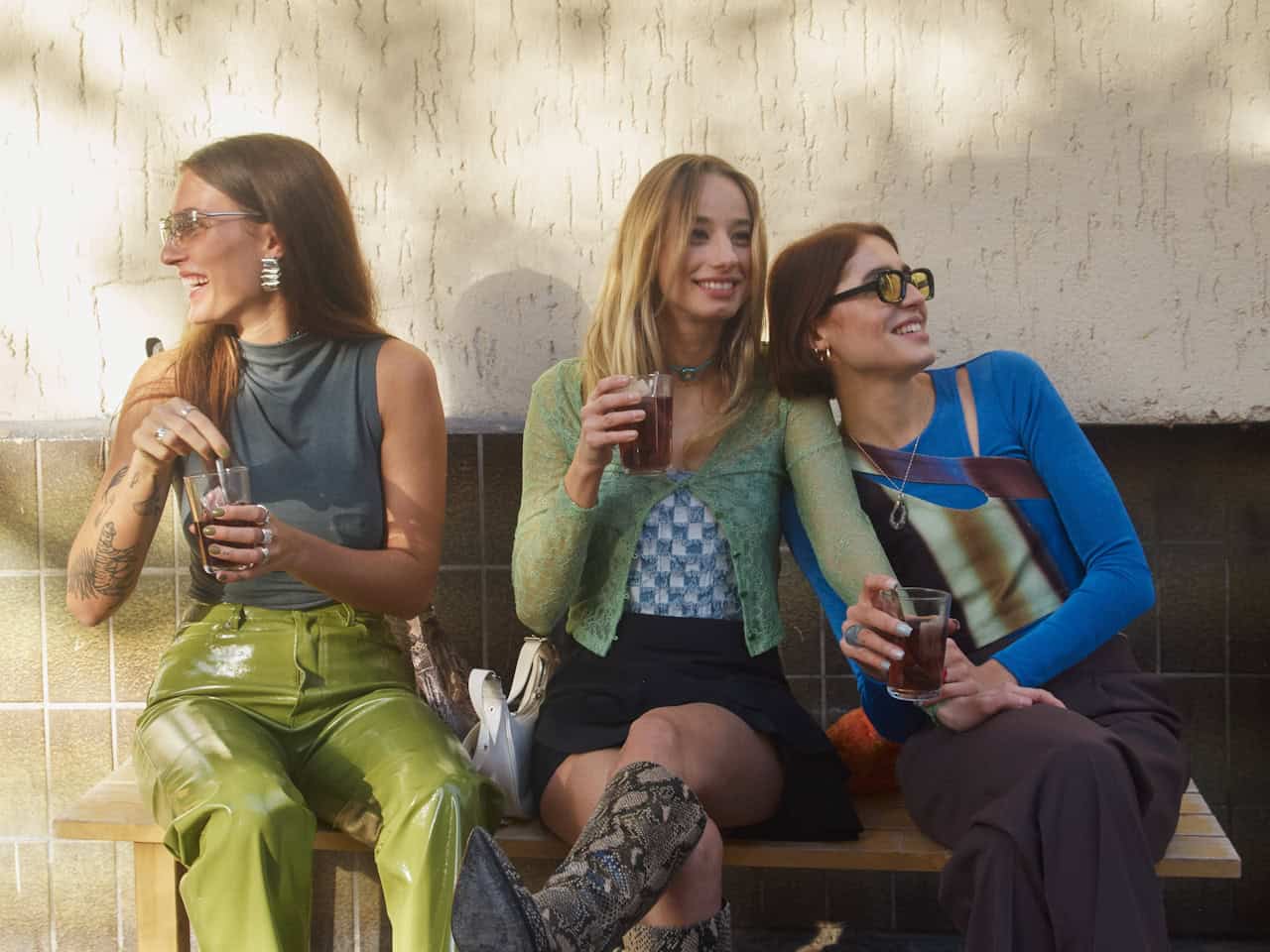
The problem isn’t athleisure. It’s the unspoken rule that anything outside of it reads as Other. When looking neutral becomes synonymous with looking “normal” (and looking normal becomes synonymous with looking acceptable), personal style starts to shrink. And call it a slippery slope logical fallacy if you must, but when we lose our ability to express ourselves honestly, our individuality is not far from the chopping block.
But that slope can slide the other way. Maybe your blue eyeliner will give someone else the courage to try something new. Maybe it encourages others to opt out of It Girl sameness.
And slowly, maybe it kills the pressure to move through the world unnoticed. When more of us choose to embrace visible difference, it becomes harder to single out the people who don’t have the privilege of blending in.
For those whose race, gender expression or queerness already mark them as visible, collective boldness can function as safety. The more normalized difference becomes, the less power there is in isolating and punishing it.
At the very least, it’s an actionable way to prove that individuality doesn’t have to be digestible: that a human being’s worth can’t be flattened into appearance-based labels.
Sure, maximalism in Denver might look different than it does in New York or Paris. It might just start by expressing ourselves to our full capacity (whatever that looks like) instead of editing ourselves down for someone else’s comfort.
It doesn’t require inauthentic posturing or buying a whole new wardrobe. It just requires honesty. We owe it to each other and to ourselves.